

As the days grow colder and we shift from autumn into winter, fishing for barbel on the river becomes a different kind of challenge. In these colder months, barbel feeding habits change, and they’re not as eager to devour heaps of bait as they are in the summer. The key to success in winter barbel fishing lies in using minimal, well-placed bait and moving strategically to find where these elusive fish are lying low. For me, the best bait to achieve this goal is a specially crafted paste mix. Here’s a complete guide on how to set little traps, stay on the move, and use paste effectively to catch barbel during winter.

The Winter Approach: Fishing Light, Moving Often
In winter, barbel slow down, and so should our approach to baiting. Rather than feeding heavily, I prefer to keep it light, putting just enough bait to create small “traps.” These traps are little, enticing spots that draw the fish in with a subtle yet attractive scent trail. The idea is to place them in specific locations, move from spot to spot, and focus on short sessions.

This style of fishing requires moving around, staying light on your feet, and keeping well back from the edge to avoid spooking any fish lying close to the banks. I’ll often spend only a short time in each spot before moving to the next, always looking for prime river features like overhanging bushes on the far bank, near-bank cover, or deeper pools. With each of these spots, the aim is to ease quietly into position and set a trap, making it appear as natural as possible.
Why Paste Works for Winter Barbel
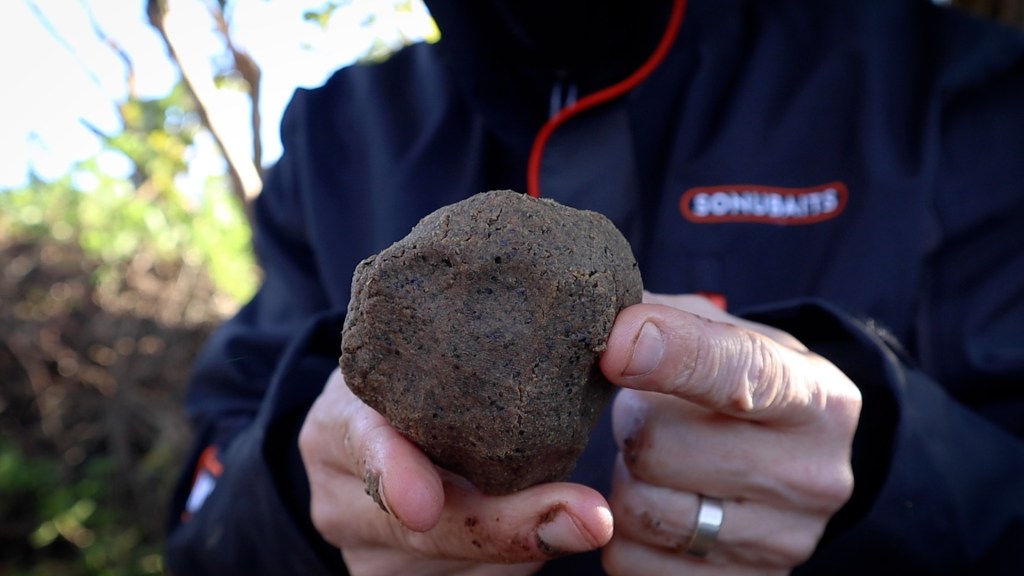
Paste is one of my go-to winter baits for several reasons. Unlike pellets or boilies that are solid and often sit in one place, paste has a natural ability to disperse scent and flavor slowly into the water, even in cold conditions. It’s softer, which means it breaks down gradually, keeping fish interested without filling them up. Winter barbel are often skittish and not looking for a big meal, so paste’s slow release and subtle attraction work wonders in convincing them to take a nibble.
Using paste also gives me a lot of flexibility. I can mold it around my hookbait, apply it to a gripper lead, or even vary its consistency based on how long I want it to last in the water. When applied correctly, paste gives me a controlled, customisable way to attract barbel in colder months when they’re less inclined to actively seek out food.
Making the Perfect Winter Barbel Paste
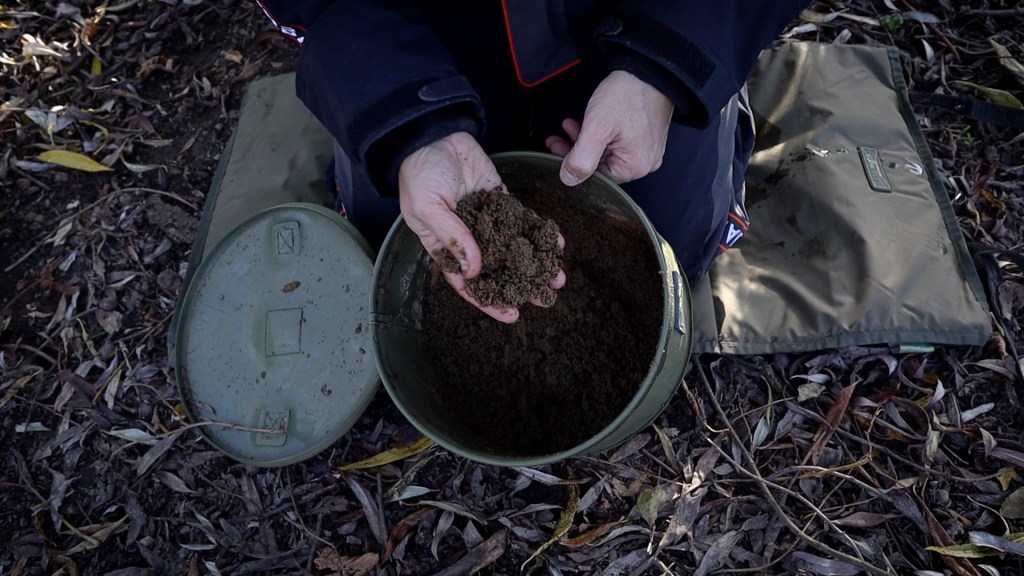
Creating the right paste is an essential part of my winter strategy, and I rely on a simple yet effective recipe. Here’s how I do it:
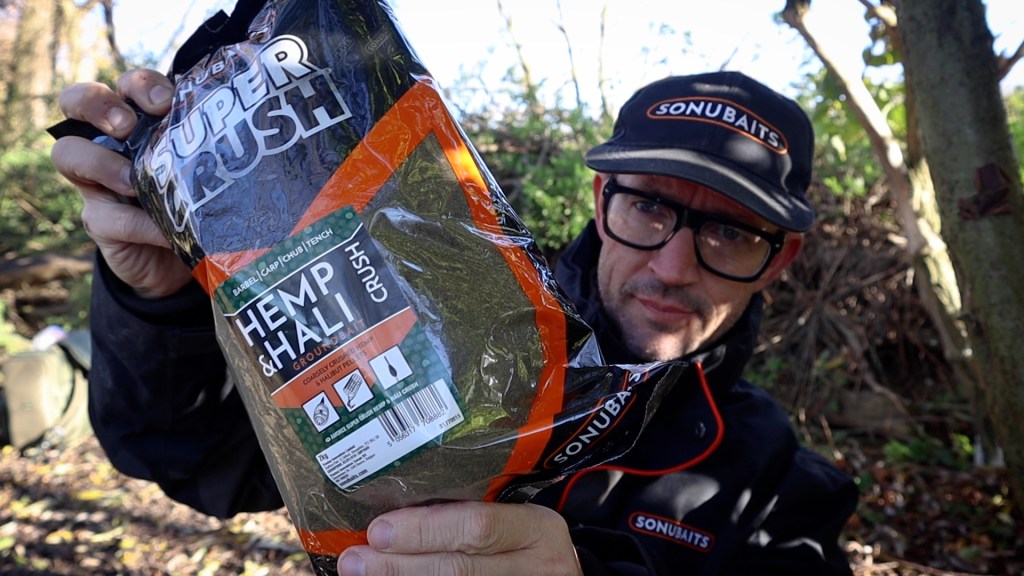
Base Mix: I start with a 50/50 blend of Sonubaits Hemp and Hali Groundbait and Marine Groundbait. These ingredients are packed with attractants that barbel can’t resist, even in colder water.
Mixing: I gradually add water to the groundbait blend, just enough to bind it together. The goal is to achieve a consistency that’s smooth but firm enough to stay on the hook or gripper lead without falling apart too quickly.

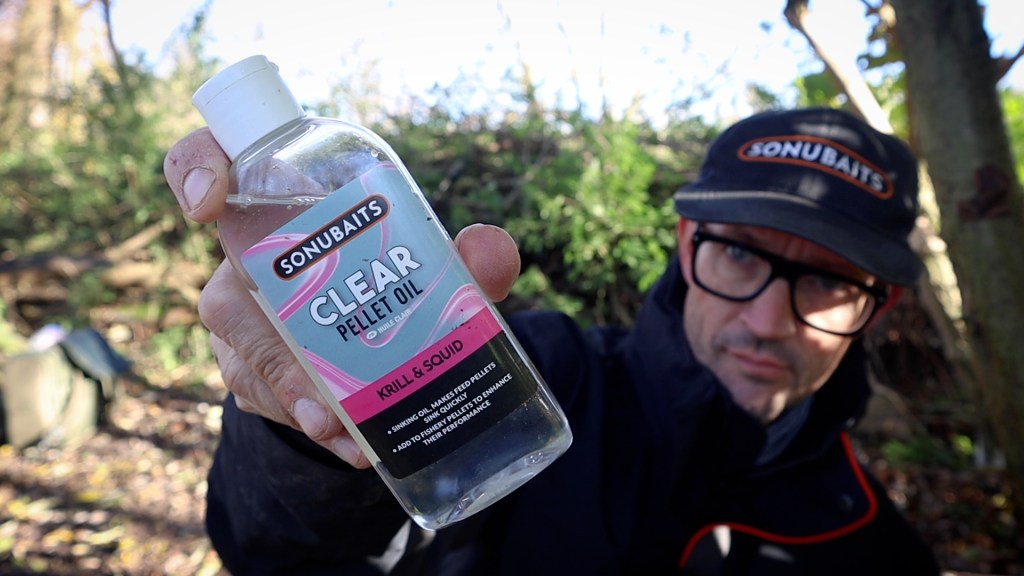
Additional Attraction: To enhance the mix, I add a small amount of Clear Pellet Oil. This not only helps the paste bind together but also releases a steady oil trail in the water, drawing fish to the scent.
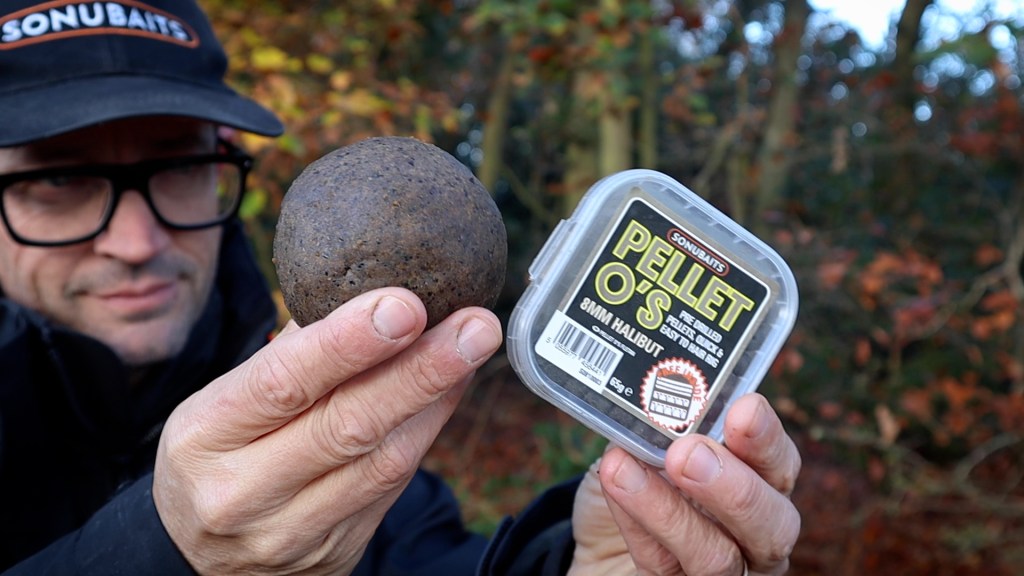
The result is a smooth, cohesive paste that molds easily and provides a subtle scent that can attract barbel without overpowering them. For convenience, I make several large balls of this paste in advance, store them in the fridge, and sometimes even freeze them. A handy tip: after freezing, paste can dry out slightly, so adding a touch of Sonubaits Bait Booster brings back the moisture and adds an extra layer of attraction.
Setting the Trap: Rigging and Applying Paste
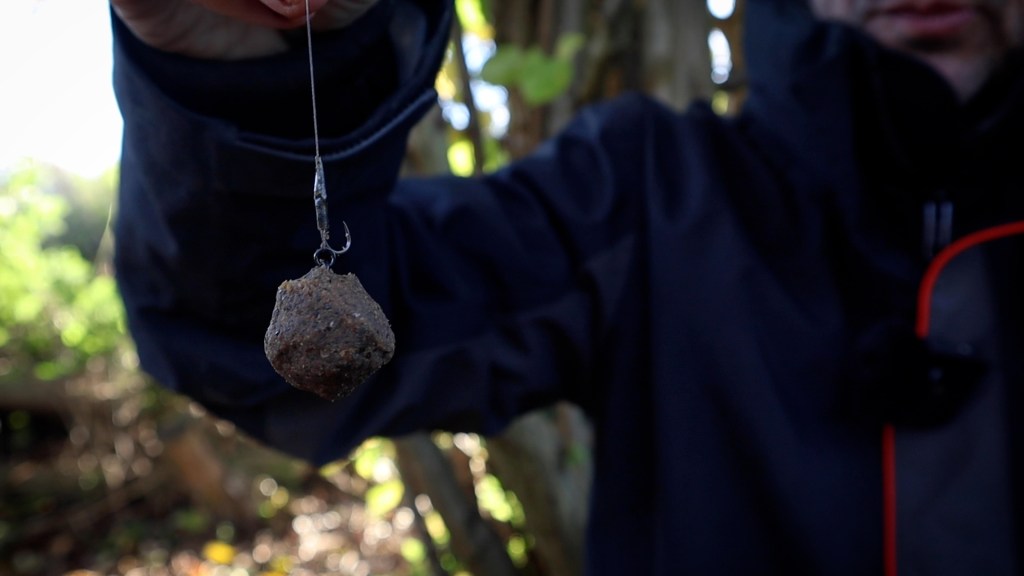
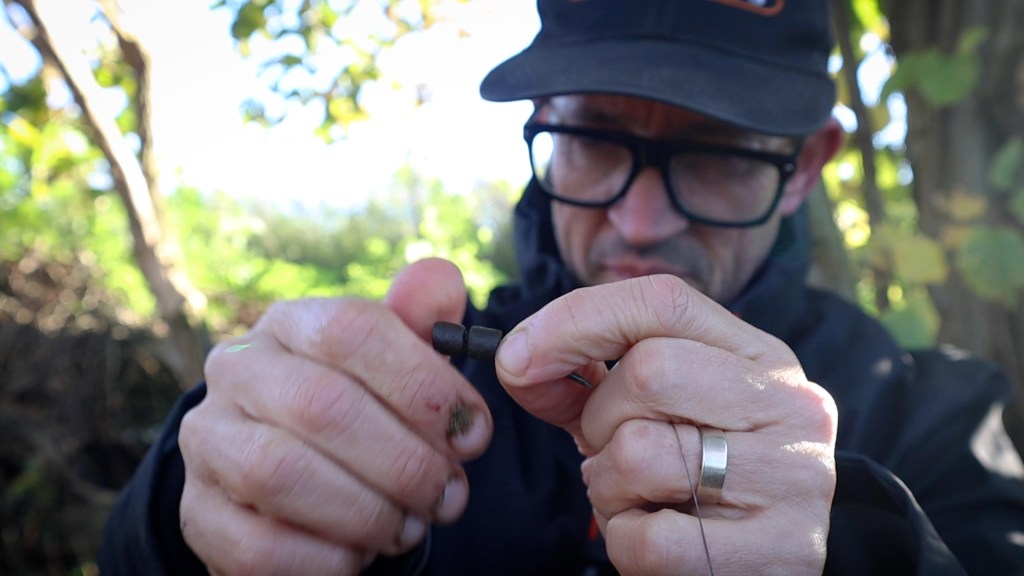
Once my paste is ready, the next step is to rig it properly. My go-to setup includes a strong hooklength paired with a hair rig. I like using a D-Rig with a bait screw, as it makes mounting drilled pellets quick and easy. This combination is particularly effective in winter when fish can be finicky, as it ensures a solid presentation that’s durable enough to handle a barbel’s powerful pull.
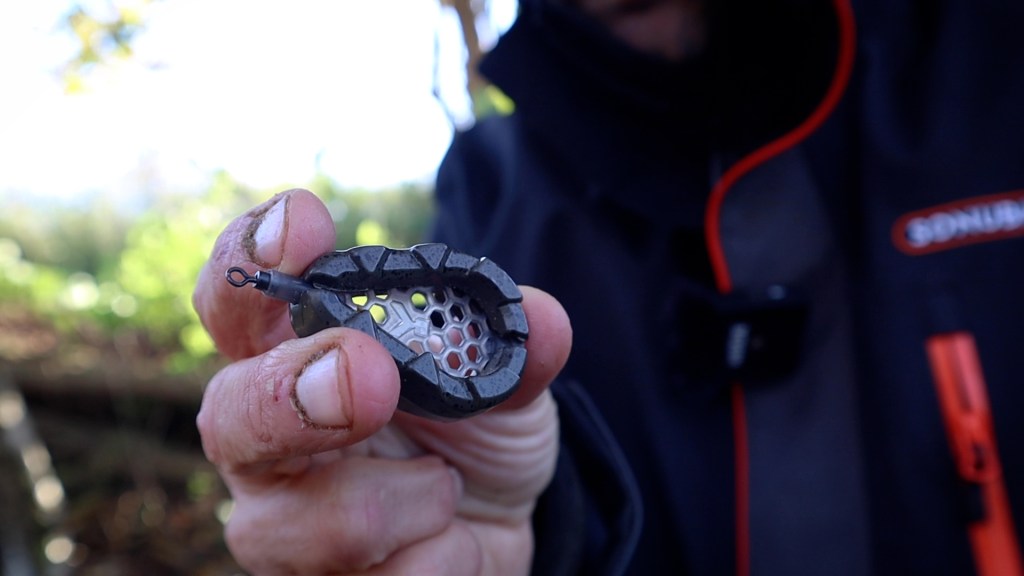
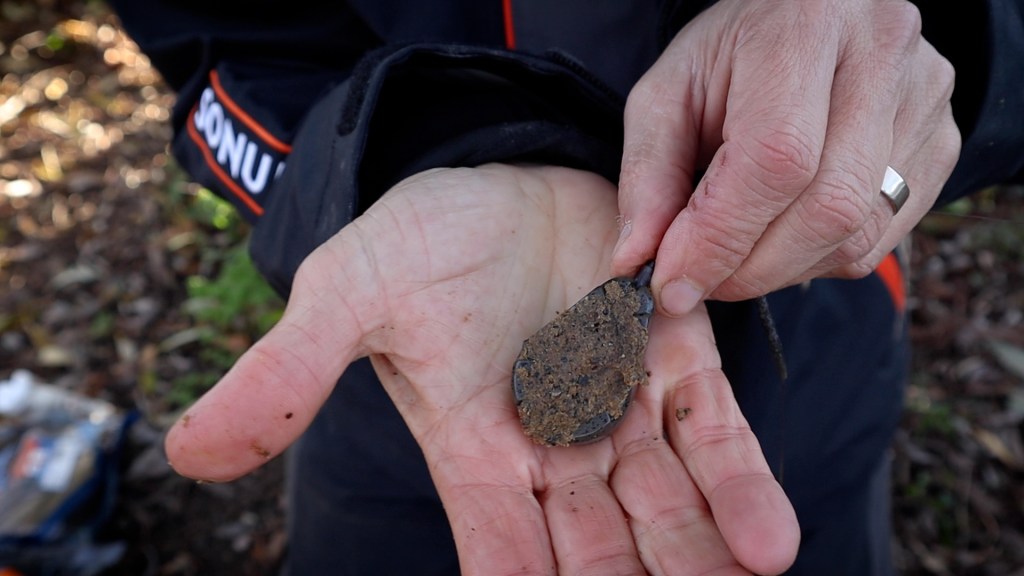
To make the most of the paste, I wrap it around my hookbait and push a little more into the grooves of a Korum gripper lead. This setup serves two purposes: the hookbait and gripper lead both release a slow, steady scent trail, and the paste keeps the setup looking natural on the riverbed. The paste in the gripper lead adds extra scent and attraction around the hookbait area, creating a focused and appealing trap for any passing barbel.
Finding the Right Spot and Setting Up
As always, location is key, and when fishing for barbel in winter the fish are most likely to be found near specific river features. Look for areas with overhanging bushes on either the far or near bank, deeper holes, or stretches where the current slows. These spots provide shelter and food sources, making them prime barbel territory in cold weather.
Fishing Short Sessions and Moving Around
In winter, fishing for long hours in the same spot isn’t always the best strategy. Instead, I prefer short sessions where I move every 20–30 minutes if I’m not getting bites. Barbel aren’t as active in cold weather, so covering multiple areas increases my chances of coming across a feeding fish. By keeping sessions short and moving to new spots regularly, I avoid putting too much pressure on one location and keep my approach flexible.
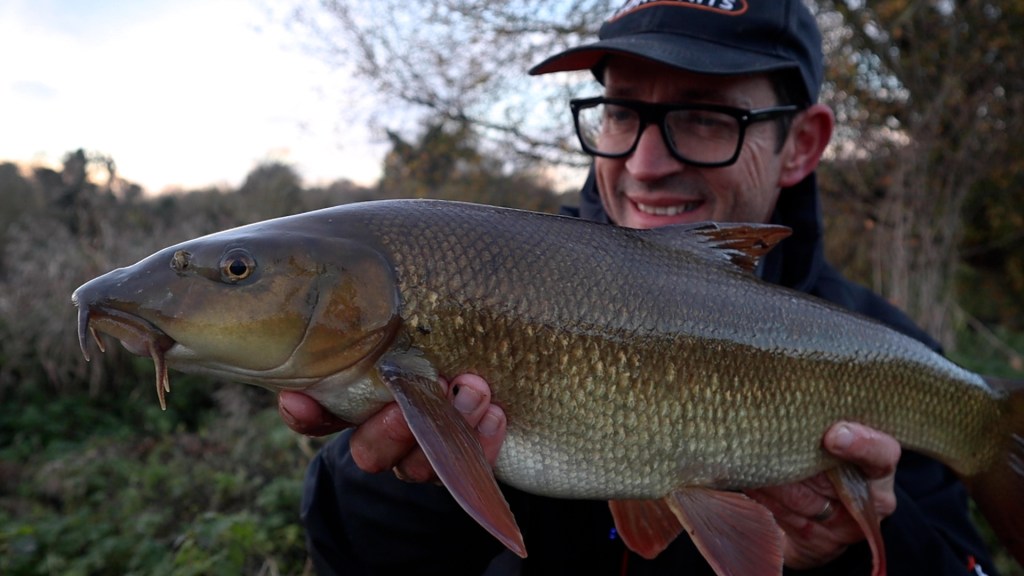
This “hit-and-run” style works especially well with paste because it’s easy to apply, doesn’t require heavy baiting, and allows for a fresh setup at each new spot. This way, I’m always offering barbel something fresh and enticing, making them more likely to investigate and bite.
Final Tips for Winter Barbel Success
To make the most of these tactics, a few final adjustments can help ensure your winter barbel fishing goes smoothly:
- Keep Extra Paste Ready: Preparing several balls of paste beforehand makes it easy to stay mobile. Just grab a piece and mold it as you move from spot to spot.
- Add Moisture as Needed: If your paste dries out after freezing, a bit of Sonubaits Bait Booster will bring it back to life and add a powerful scent that can turn a barbel’s head.
- Experiment with Bait Size: In colder months, barbel may prefer smaller, bite-sized baits. Try varying the amount of paste on the hookbait or lead to see what the fish respond to best.
Fishing for Barbel in Winter – Give It a Try!
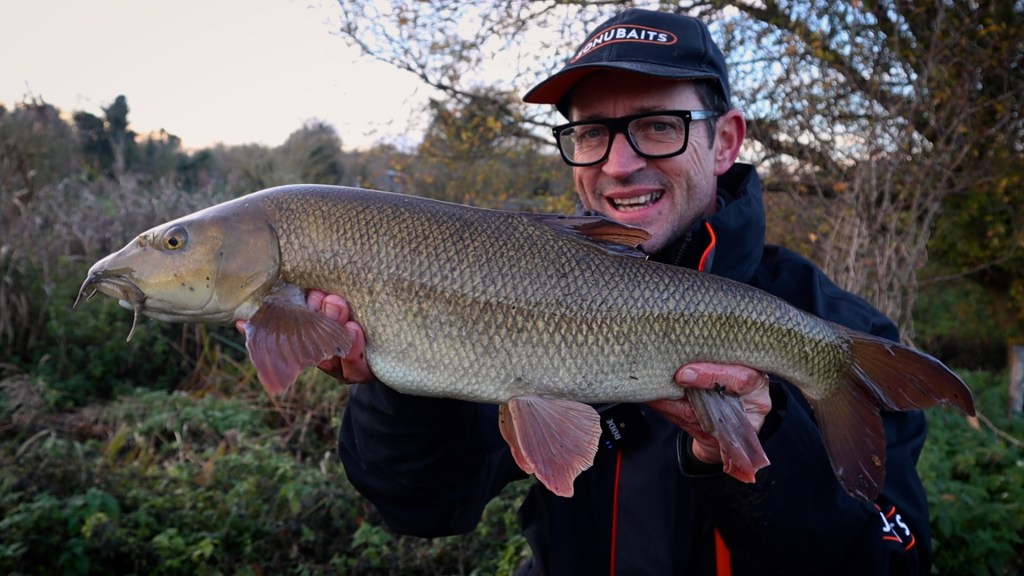
Winter barbel fishing is a challenging but rewarding experience. By using minimal bait, staying on the move, and targeting specific features with a carefully prepared paste, you can keep the barbel curious and interested without overwhelming them. This method has helped me land some beautiful winter barbel, and I hope it works just as well for you. So, as the temperatures drop, grab your gear, get on the river, and give these tactics a try—there’s nothing quite like the thrill of a barbel bite in the heart of winter!
Watch the Video
