

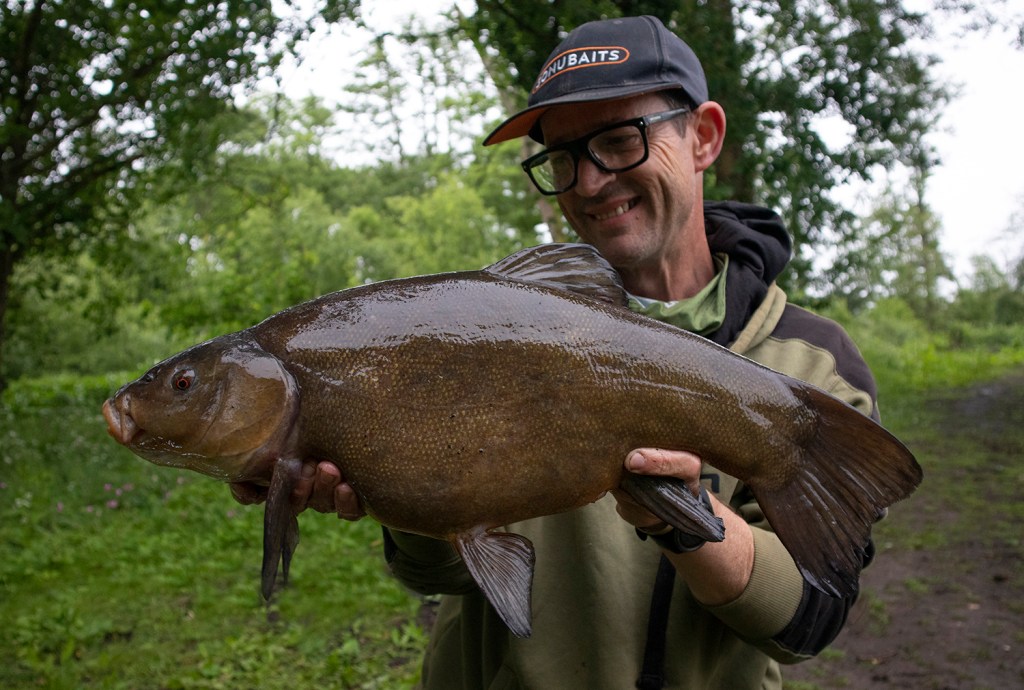
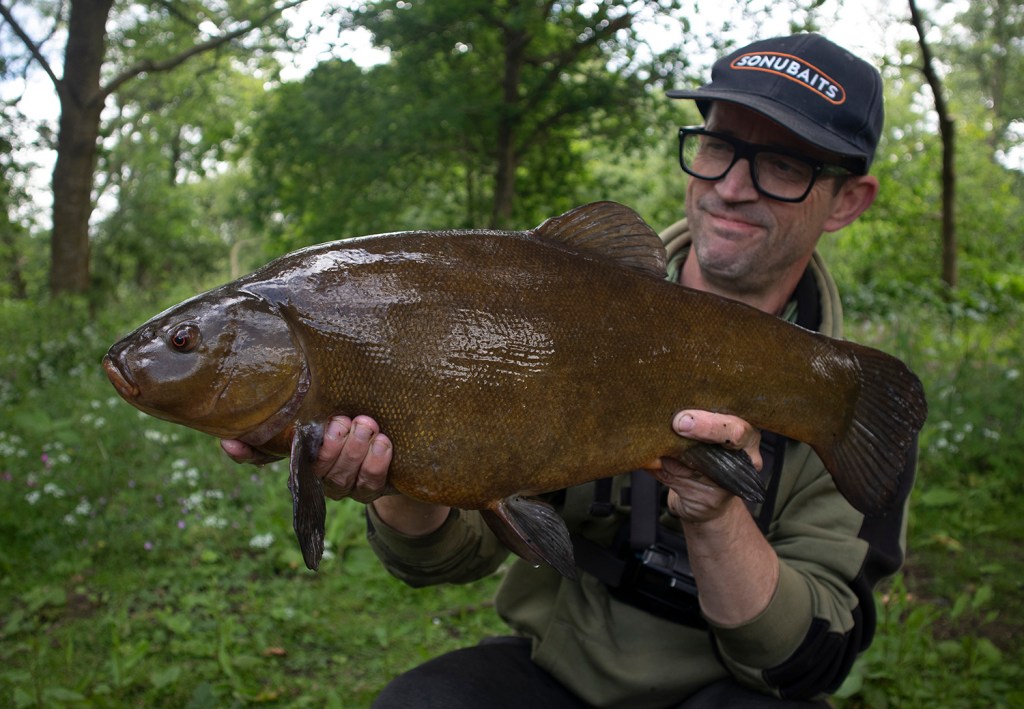
Fishing for big tench is an exhilarating experience that every angler should try. Tench, often referred to as the “doctor fish” because of their slimy coating believed to have healing properties, are known for their strong fight and elusive nature. They are a beautiful fish with an olive-green hue and bright red eyes, making them a prized catch for many. If you’re looking to expand your fishing repertoire or just want to experience the thrill of catching a big tench, this guide to big tench fishing is for you.

Why Fish for Big Tench?
Catching big tench is not just about size; it’s about the challenge and the satisfaction that comes with it. Tench are notoriously tricky to catch. They are cautious, often feeding on the bottom, and are known to nibble at baits before taking a full bite. This makes them a challenging target, requiring patience, skill, and the right tactics.
For many anglers, fishing for big tench is a way to test their abilities. Unlike more predictable species, tench require a deep understanding of their habits and the water conditions. They are a worthy adversary, and landing a large tench is a true accomplishment.
When to Target Tench
Timing is crucial when it comes to tench fishing. The best time to target tench is during the warmer months, from late spring through to the end of summer. Tench become more active as the water temperature rises, especially in the early morning and late evening when they come closer to the surface to feed.
During these warmer months, the tench’s metabolism speeds up, making them more likely to feed. This is also the time when they spawn, and while it’s not ethical to target spawning fish, it’s worth noting that they will feed heavily both before and after spawning, making these periods particularly productive.

Locating Tench
Finding tench is half the battle. Tench prefer still or slow-moving waters with plenty of vegetation. Look for them in lakes, ponds, and slow-moving rivers, particularly where there is a good amount of weed growth. They tend to stay close to the bottom, often in the margins or along weed beds.
Weed beds provide tench with cover from predators and a steady supply of food. Margins are another hot spot, especially if they have overhanging trees or reeds. Tench are bottom feeders, so finding clear spots in the weed, known as “tench holes,” can be highly effective.

When locating tench, look for bubbles. Tench are known for displacing silt on the bottom as they feed, creating telltale streams of bubbles that rise to the surface. If you see consistent bubbling in a particular area, it’s a good sign that tench are feeding there.
Bait Application by Spombing Maggots and Casters
Baiting is key when fishing for tench, and one of the most effective methods is spombing maggots and casters. Maggots and casters are natural food for tench, and their movement on the bottom can trigger a strong feeding response.

To spomb maggots and casters, you’ll need a spod rod and reel. A spomb is a specialized bait dispenser that opens upon hitting the water, releasing the bait exactly where you want it. This technique allows for precise baiting, creating a concentrated area of attraction.
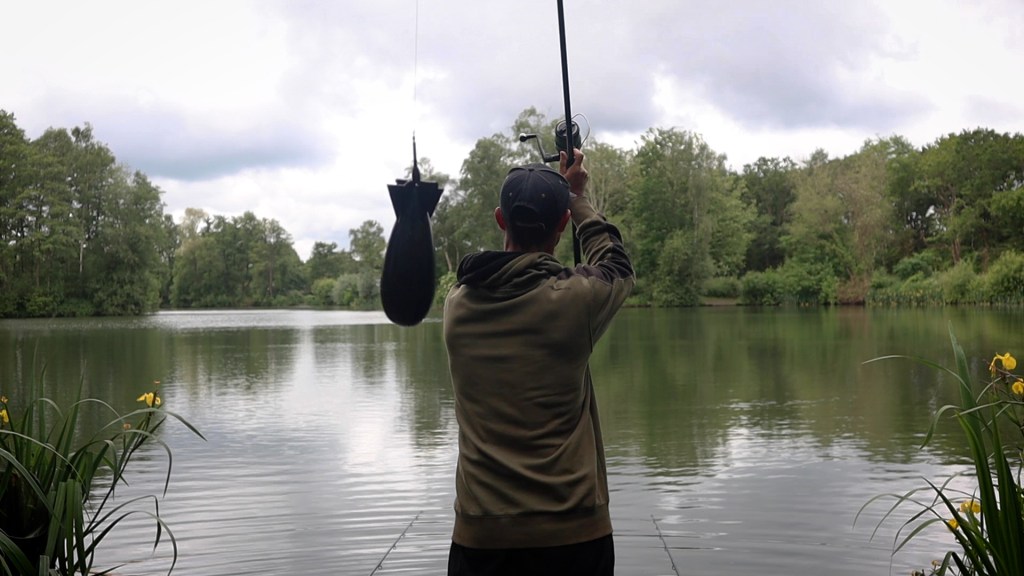
Start by spombing out several loads of maggots and casters to create a bed of bait. This will attract tench to the area and keep them feeding. The key is to maintain a steady trickle of bait, so top up with the spomb every 20-30 minutes to keep the tench interested.
Worm Kebab Rigs for Tench
One highly effective rig for catching tench is the worm kebab rig. This rig involves threading several worms onto a hook, creating a wriggling, enticing bait presentation that tench find hard to resist.

To set up a worm kebab rig, start with a size 10 or 12 hook and thread on two to three worms, depending on their size. The worms should be hooked in a way that they are still alive and wriggling, as the movement is crucial for attracting tench. The rig should be set up with a simple running lead or a semi-fixed bolt rig to give the tench some resistance when they pick up the bait.

The worm kebab rig works well because it provides both visual and scent attraction. The wriggling worms create movement in the water, while their natural scent and juices attract tench from a distance. It’s a simple but highly effective rig that has stood the test of time.
The T-Rig for Big Tench Fishing
Another popular rig for targeting tench is the T-Rig. The T-Rig is a variation of the hair rig, designed specifically for presenting bottom baits in a way that tench find hard to resist.
To set up a T-Rig, you’ll need a size 10 or 12 hook, a small piece of silicone tubing, and a couple of buoyant artificial baits like rubber maggots or fake corn. The hook link should be about 6-8 inches long, made from a soft braided material to allow natural movement of the bait.
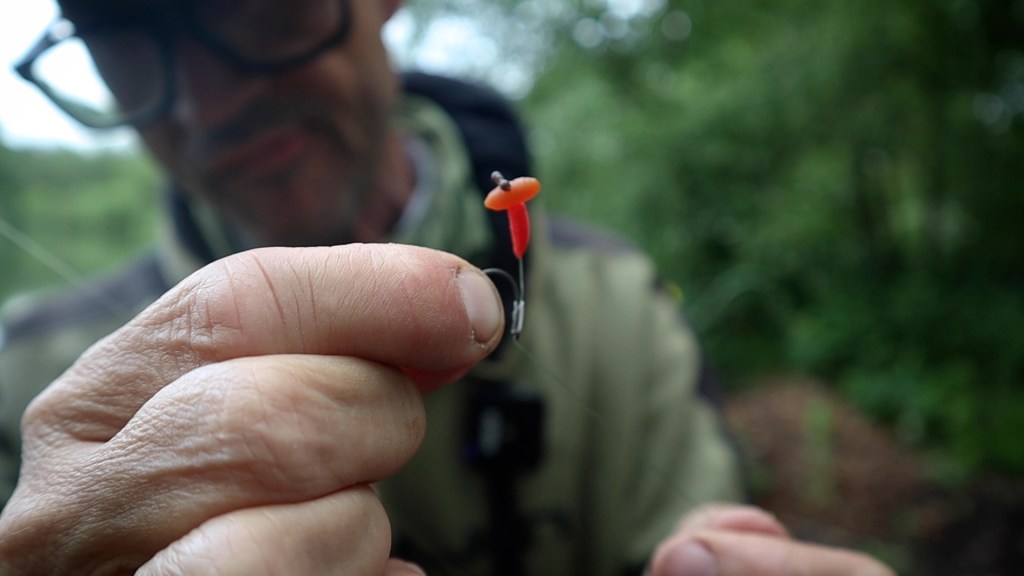
Thread the silicone tubing onto the hook, then attach your bait using the hair rig method. The tubing helps to keep the bait presentation neat and reduces the chances of tangles. The buoyant baits will hover just off the bottom, mimicking the natural feeding behavior of tench and making the bait easier for them to suck up.
The T-Rig is effective because it presents the bait in a natural way while providing enough resistance to set the hook when the tench takes the bait. It’s a great rig for both weedy and clear-bottom areas, making it versatile for different fishing conditions.
Hope This Article Has Been Useful
I hope this article has given you a good overview of how to fish for big tench. Tench fishing is a rewarding pursuit that combines patience, skill, and knowledge. By understanding when and where to target tench, how to locate them, and the best rigs and baiting strategies to use, you’ll be well on your way to catching these elusive fish.
Good Luck with Your Fishing
Remember, fishing is as much about enjoying the experience as it is about the catch. Whether you’re a seasoned angler or a newcomer to the sport, tench fishing offers a unique challenge that is both fun and fulfilling. So get out there, apply these tips, and good luck with your tench fishing adventure!
