Are Big Perch Lazy?
Perch continue to be one of the most popular freshwater fish for anglers to target, and anyone who has fished for them knows that catching a big one can be a real thrill. But if you’ve spent much time targeting perch, you may have noticed something peculiar about the big ones – they often seem less energetic than their smaller counterparts. So, are big perch lazy? Let’s take a closer look.
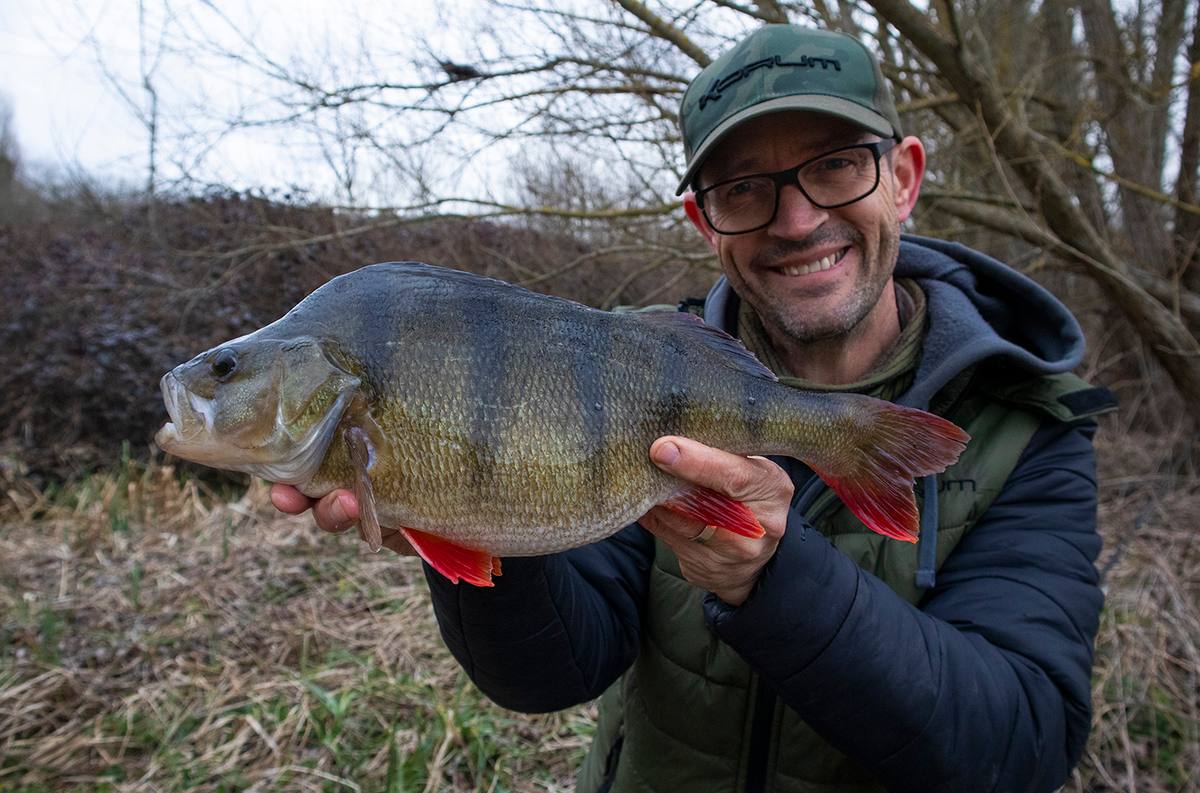
Big Perch Are Less Agile Than Small Perch
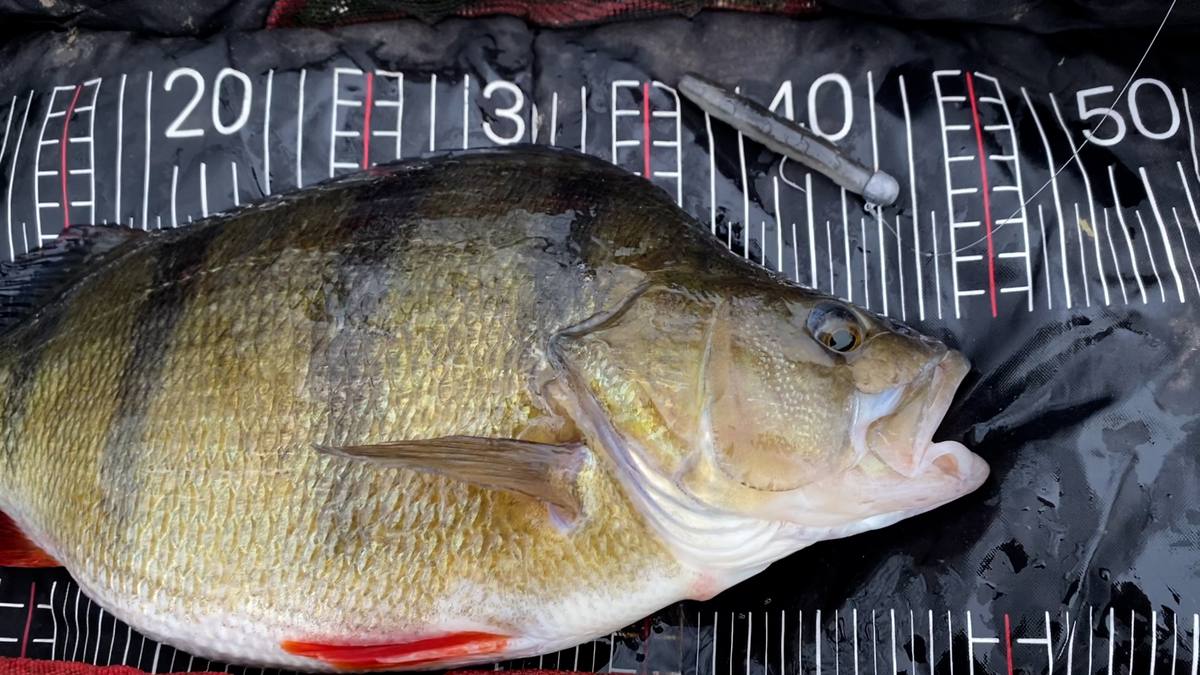
The first thing to understand is that good sized perch are physically different from small perch. As they grow larger, their bodies become bulkier, which makes them less agile. Unlike the small, speedy perch that dart around in schools and snap at almost anything that moves, the bigguns simply don’t have the same ability to chase down prey. Their movements are slower, and they tend to avoid wasting energy on fast, erratic swimming.
This reduced agility isn’t a sign of laziness – it’s simply biology. Bigger bodies require more effort to move, and larger fish have to be more deliberate about how they spend their energy. For a large perch, chasing every small snack that comes along just isn’t worth it.
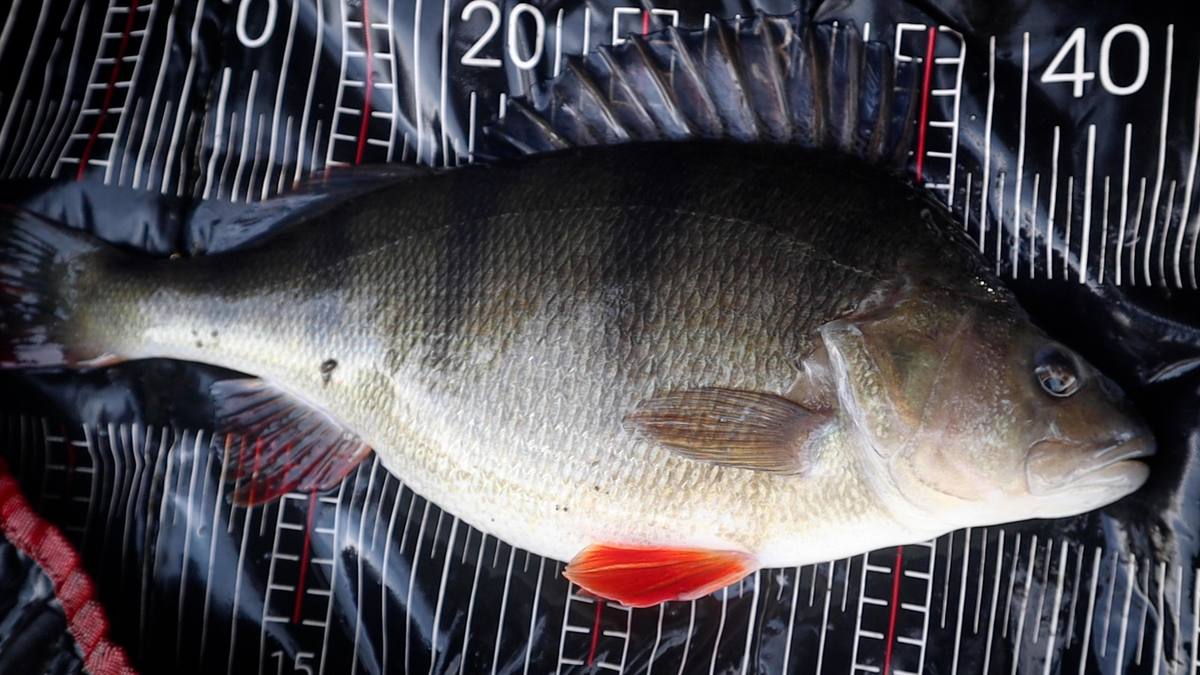
Energy Conservation: Waiting for a Decent Meal
Instead of burning calories chasing tiny prey, decent sized perch conserve their energy and wait for something worth the effort. They’ll often sit motionless near the bottom, watching and waiting for the right opportunity to ambush a decent-sized meal. This opportunistic feeding behavior means they’re more likely to go after slower, larger prey that will give them the biggest return on their energy investment.
This is why the large fish tend to hang out in spots where food is likely to come to them, such as near submerged structures, drop-offs, or areas with steady current. By staying in these high-probability locations, they minimize effort while maximising their chances of landing a satisfying meal.
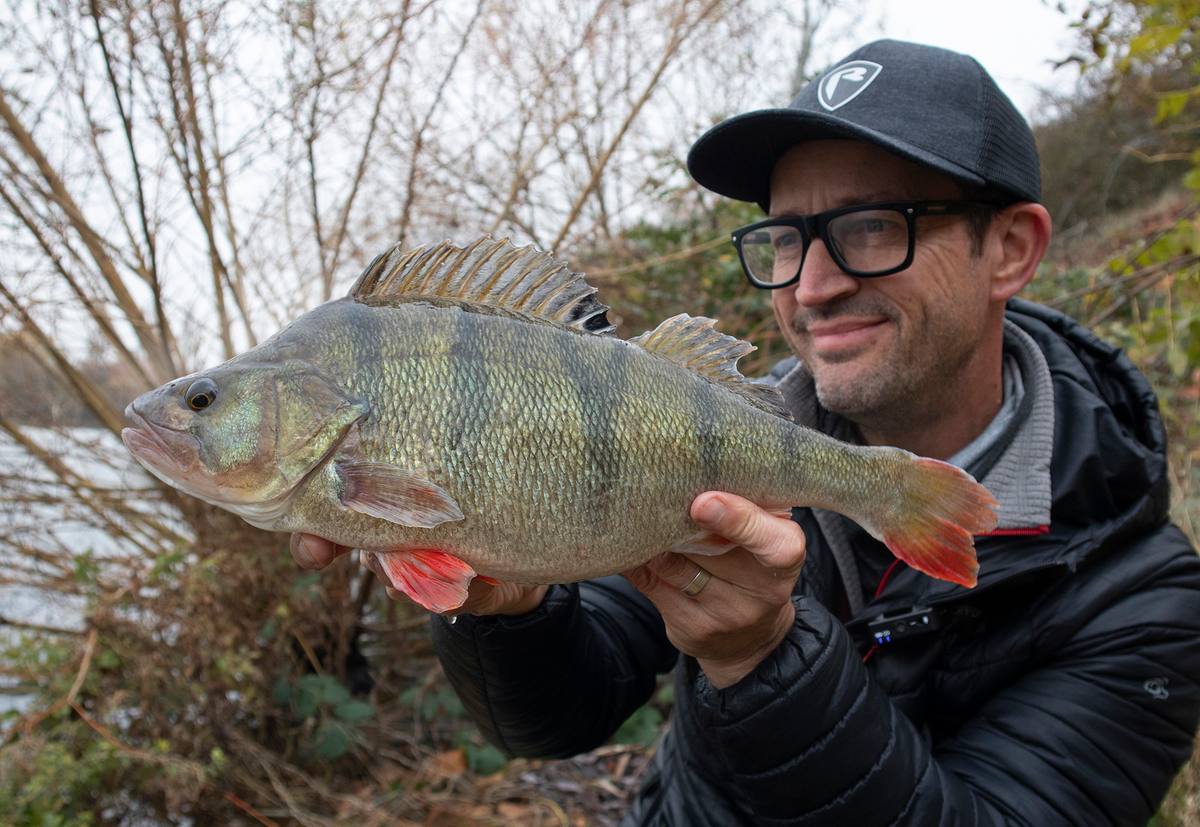
Bigger and Heavier in Winter
The bigger perch don’t just stay big – they often get even larger as the colder months roll in, particularly in February and March. This is the time of year when they fatten up for the approaching spawn. During this period, their focus is on eating enough to sustain themselves through the harsh winter months and to prepare their bodies for reproduction.
The cold water slows down their metabolism, but that doesn’t mean they stop feeding entirely. They become even more selective, prioritising easy, high-calorie meals. Anglers who know this can take advantage of the situation by offering lures that mimic slow, vulnerable prey.
Slowing Down as Temperatures Drop
As water temperatures continue to drop, large perch become increasingly sluggish. Their energy levels dip, and they’re far less likely to chase fast-moving lures. This slowdown isn’t unique to perch – most fish experience a similar reduction in activity during colder months.

Anglers often find that aggressive tactics, like using fast or flashy lures, simply don’t work as well on bigger fish during winter. Instead, the key is to slow everything down and focus on presenting your bait or lure in a way that matches their low-energy mood.
Why Classic Tactics Like the Ned Rig Work
Given how big perch behave in winter, it’s no surprise that subtle, slow-moving presentations like the Ned Rig are incredibly effective. The Ned Rig, with its small, finesse-style soft plastic bait and subtle movements, is perfect for enticing a bigger perch. Its slow fall and ability to sit motionless on the bottom make it an easy target for a perch that’s waiting for an effortless meal.

By using the right tactics, anglers can overcome the so-called “laziness” of these big fish and tap into their instinct to ambush prey. Patience and a carefully considered presentation are the keys to success.
Conclusion
So, are big perch lazy? In a sense, yes – they don’t move around as much or chase after fast food like smaller perch do. But this isn’t just laziness; it’s a survival strategy. By conserving energy and waiting for the perfect opportunity, large perch maximise their chances of thriving through the cold winter months. For anglers, understanding this behavior and adapting your approach is the best way to land one of these impressive fish.
Related reading: Lake Fishing for Big Perch, Big Perch Fishing, Big perch fishing in the Lea Valley and River Stort – winter 2017